For someone who cares about the environment, practical gifts can support everyday habits and hands-on interests, from composting food scraps to growing plants at home.
These 13 picks range from garden tools and planters to reusable meal and drink containers, with options for different spaces and routines.
13 Birthday Gift Ideas for Environmentalists
EPICA 1.3-Gallon Countertop Compost Bin
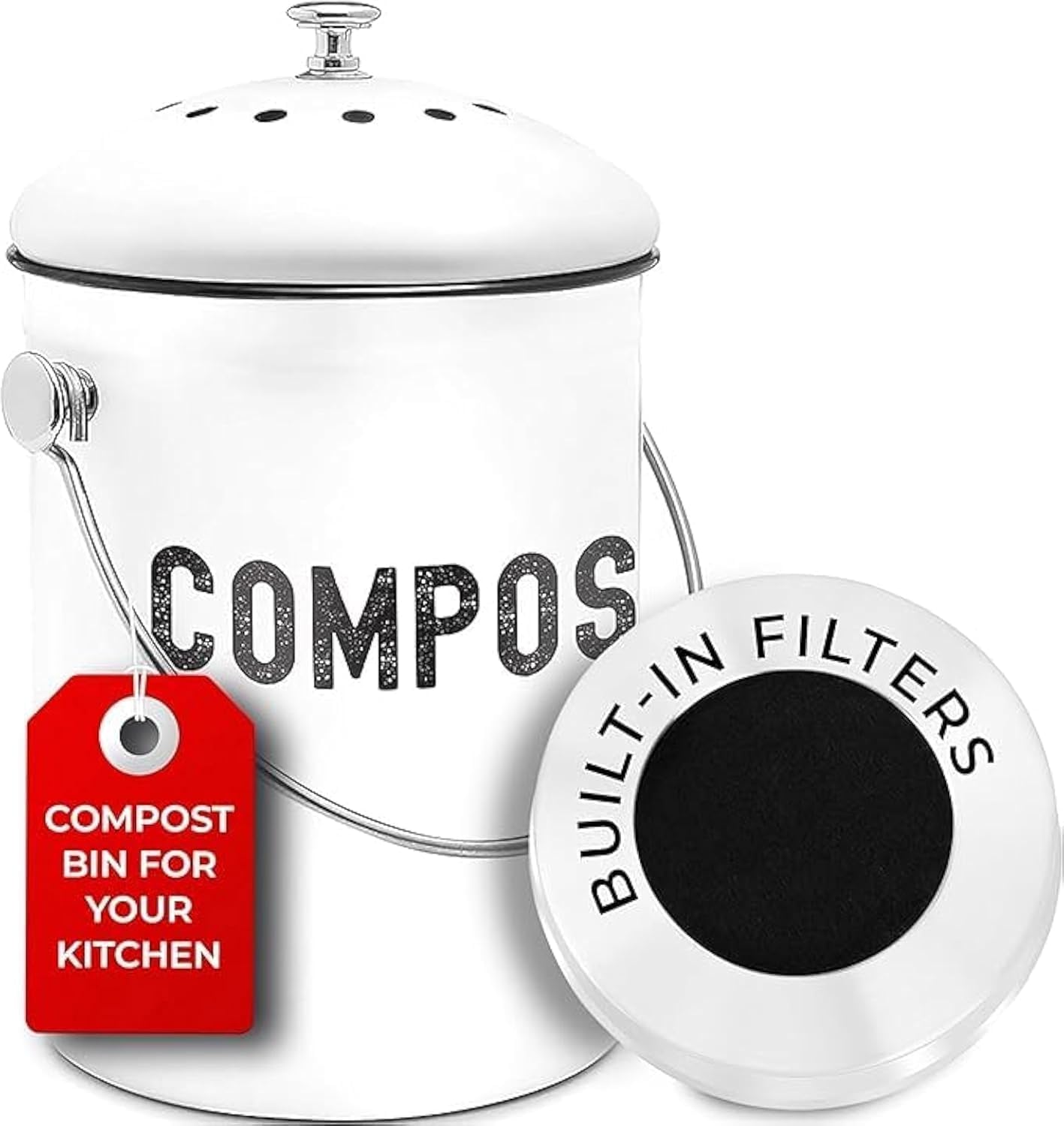
- An airtight lid and replaceable activated-charcoal filter help manage kitchen odors.
- The one-piece molded bin resists rust and leaks and is easy to clean.
- Its 1.3-gallon capacity is sized for several days of organic kitchen waste.
Best Gift For: A home cook who wants a compact place to collect food scraps indoors.

Redmon 65-Gallon Outdoor Compost Bin
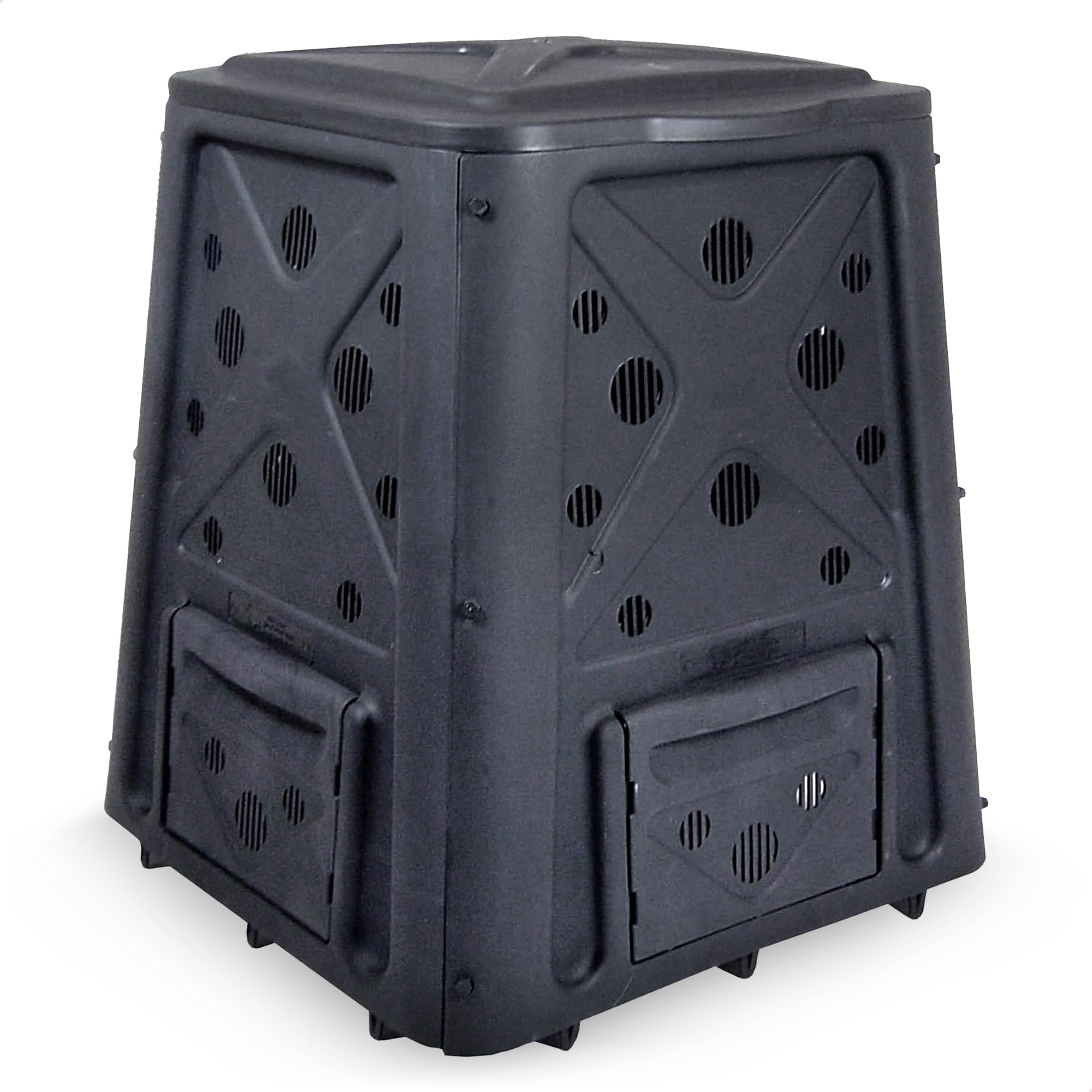
- It is constructed using recycled materials.
- The lift-off lid and four access doors make it easier to reach compost.
- Its 65-gallon capacity is designed for outdoor composting.
Best Gift For: A gardener with outdoor space who wants to turn organic waste into compost.
Best Choice Products Elevated Wood Garden Bed
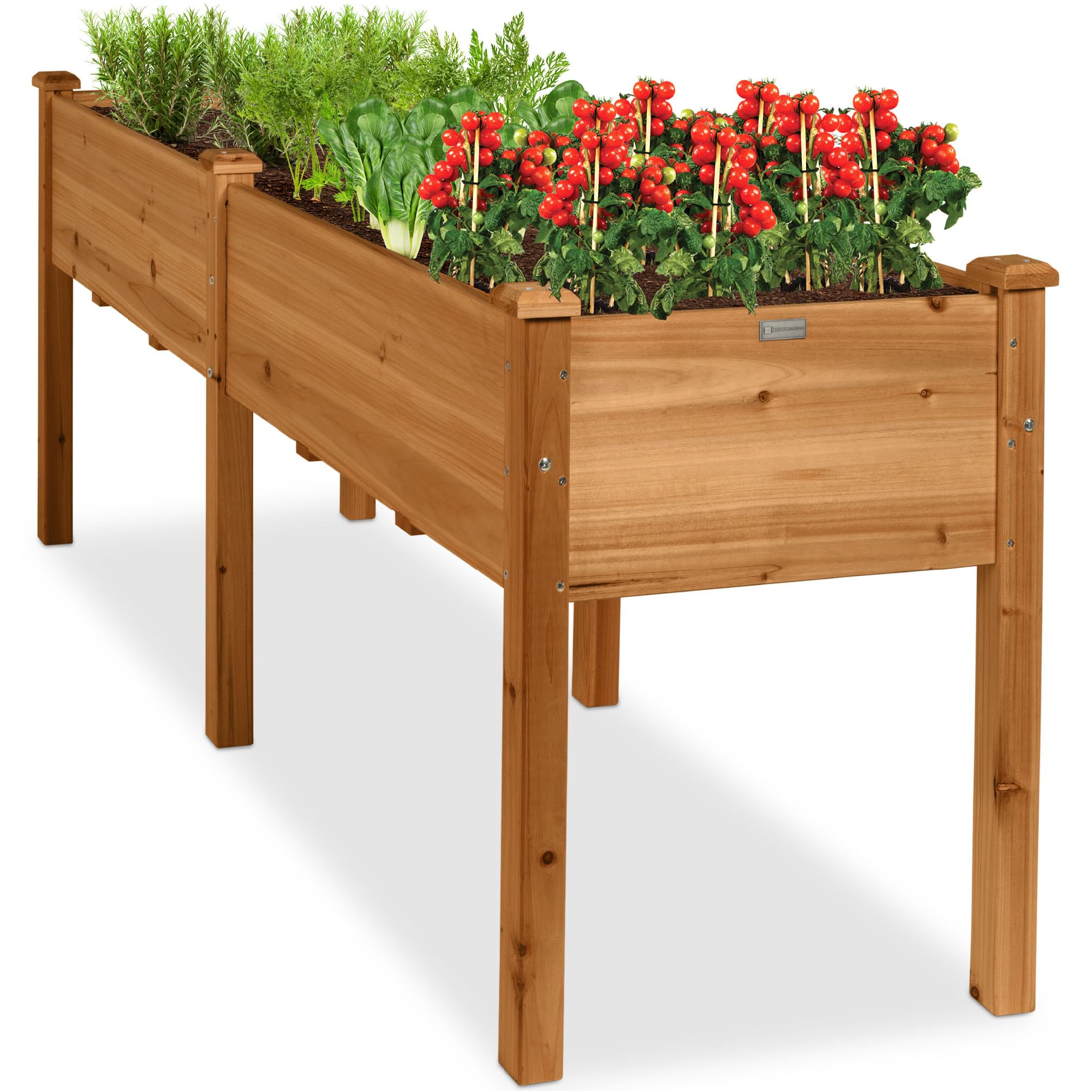
- The elevated design is 30 inches tall to reduce bending or kneeling.
- Six drainage holes help excess water escape.
- A divider panel separates the planting area.
Best Gift For: Someone growing vegetables or flowers on a patio, balcony, or deck.
LETPOT LPH-SE 12-Pod Hydroponic Garden
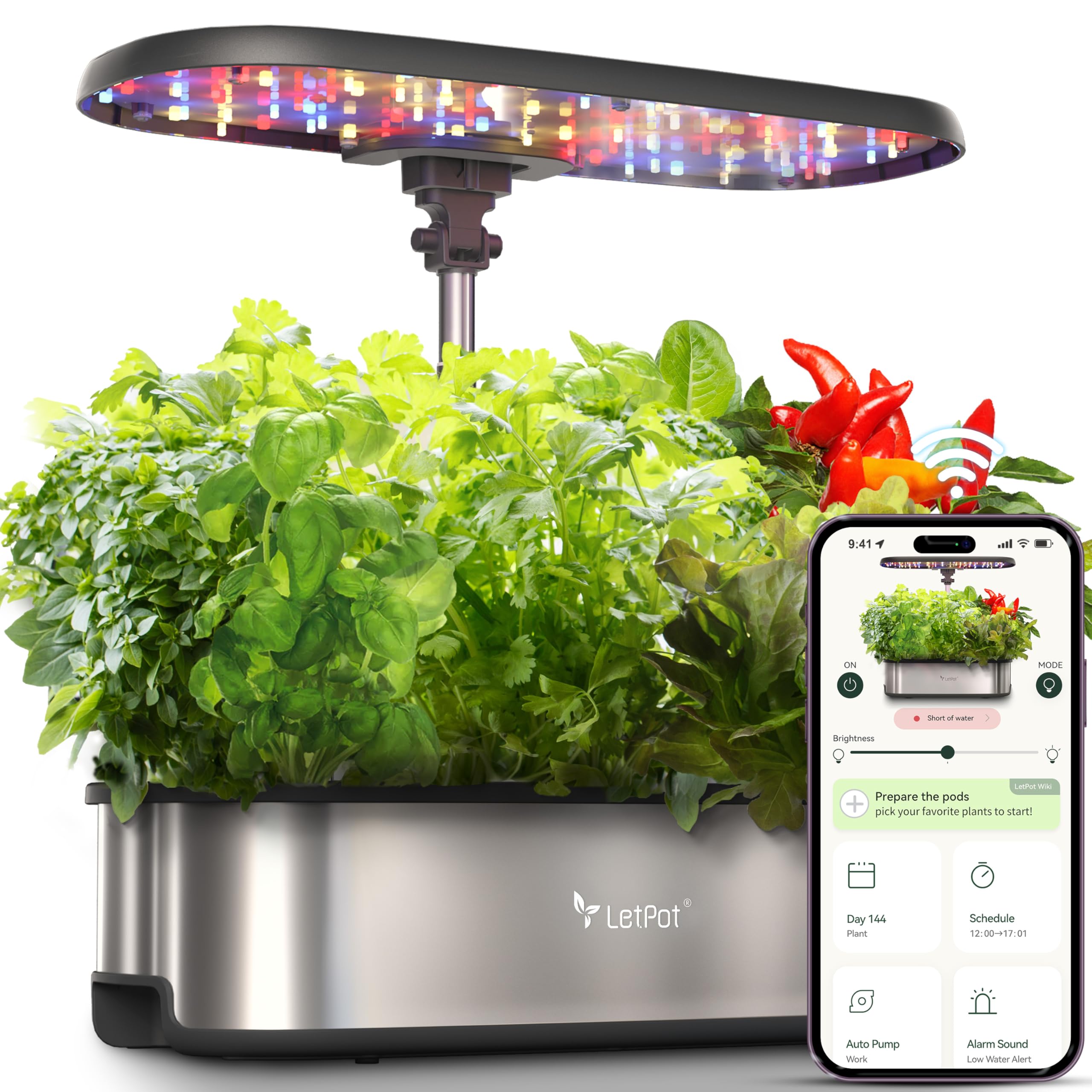
- The system includes an app and Wi-Fi control for its LED lighting schedule.
- Two lighting modes support different growing stages.
- The kit includes planting cups, sponges, baskets, covers, and nutrients.
Best Gift For: A plant lover who wants to grow herbs indoors throughout the year.
Mr. Pen Seed Starter Tray Kit, 10-Pack
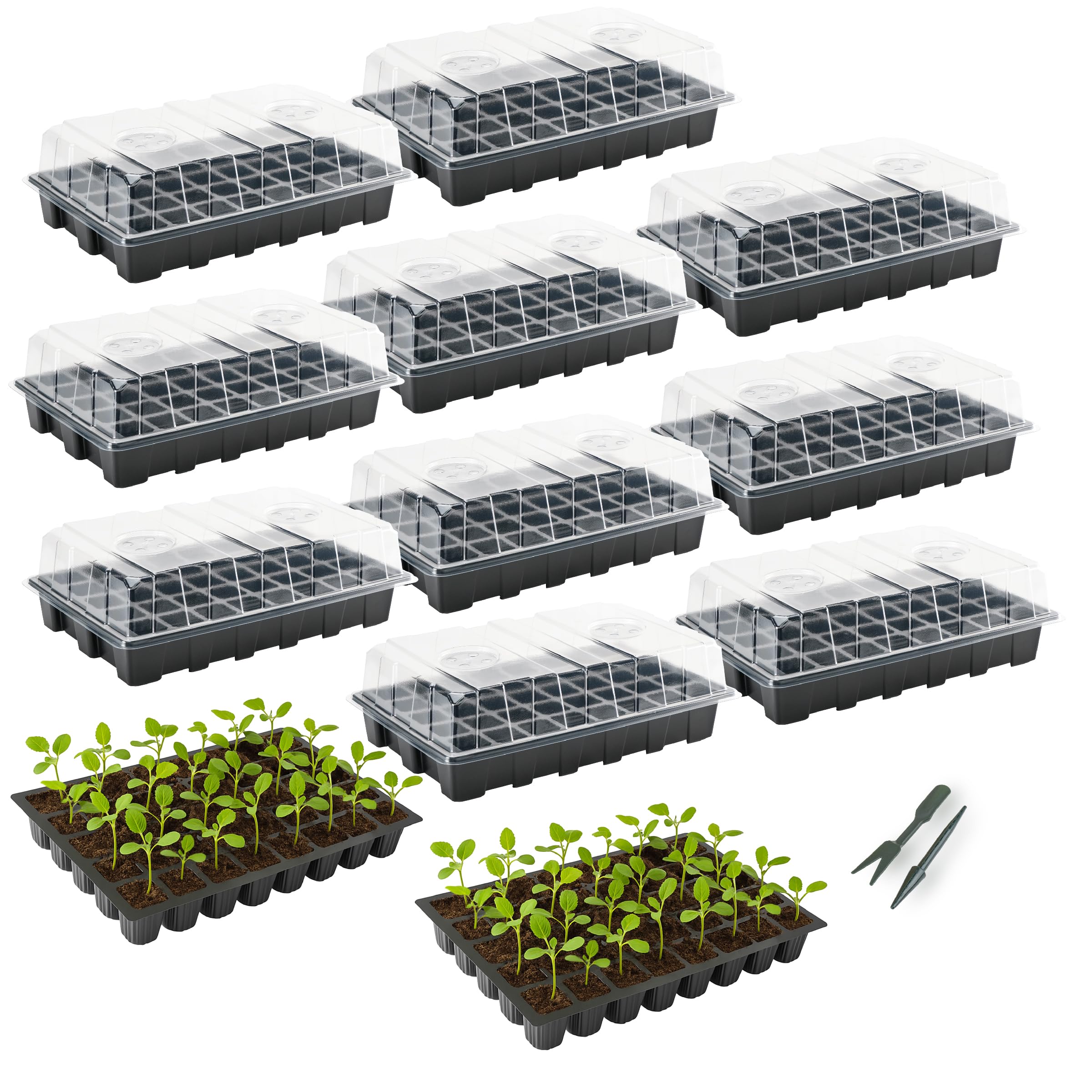
- The set contains ten 40-cell germination trays with matching bases and domes.
- Clear domes make it easier to monitor seedling growth.
- A dibber and widger are included for sowing and transplanting.
Best Gift For: A gardener starting seedlings at home, in a classroom, or in a greenhouse.
Seedfactor Seedling Heat Mat
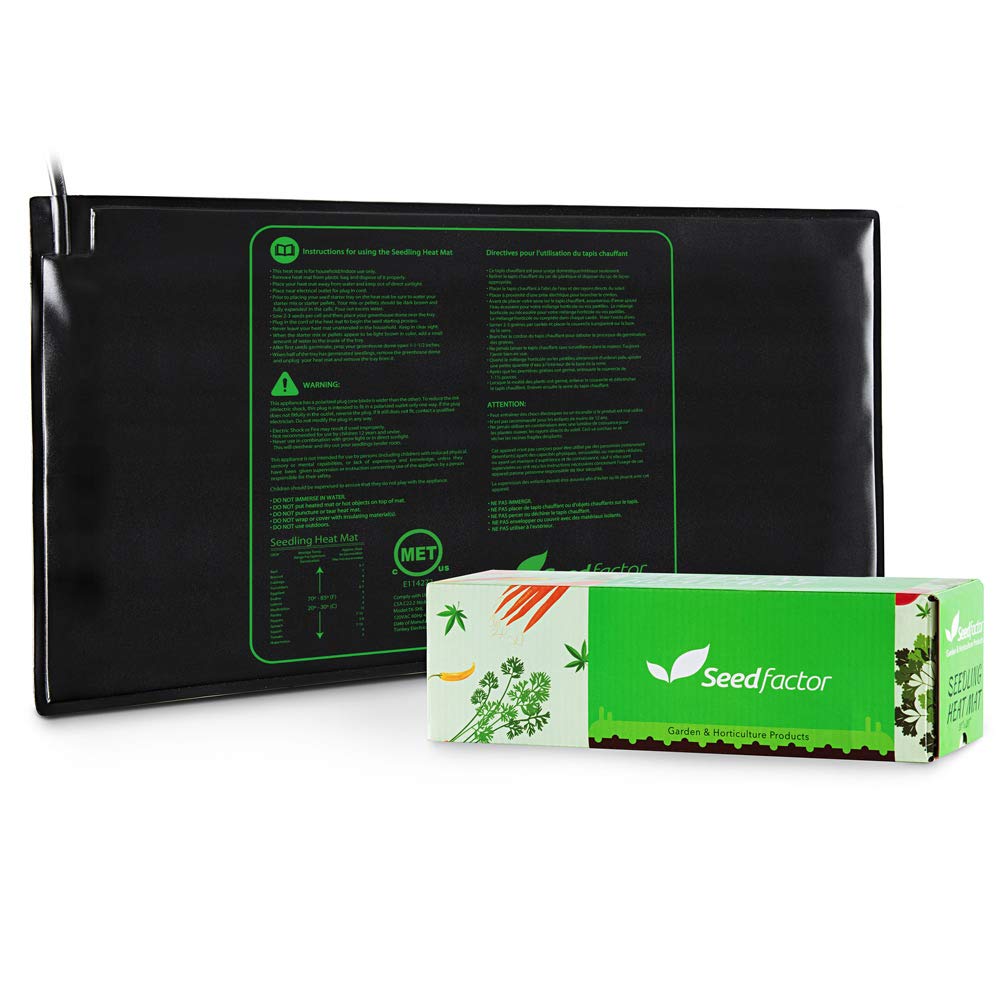
- The waterproof construction is intended for indoor plantings.
- The mat is available in four sizes.
- Its heating helps keep the seedling root area between 70℉and 85℉.
Best Gift For: An indoor gardener who wants to support seed starting with a warming mat.
Athlon Optics 8x42 Midas UHD Binoculars
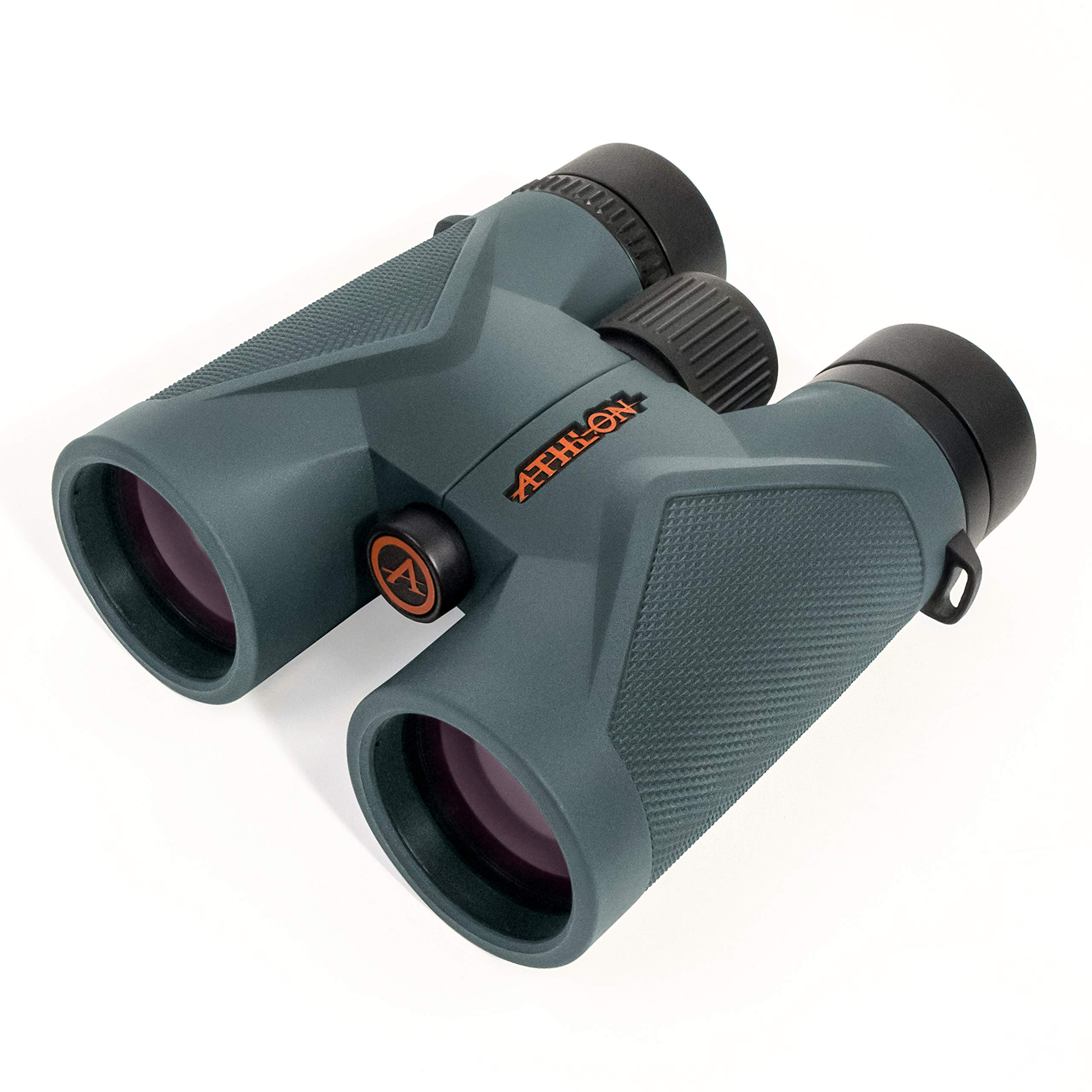
- ED glass is designed to reduce chromatic fringe in the image.
- Fully multi-coated lenses support light transmission and color.
- Long eye relief can help eyeglass wearers see the full field of view.
Best Gift For: A birdwatcher who enjoys observing wildlife outdoors.
Fellow Carter Move 16 oz Travel Mug
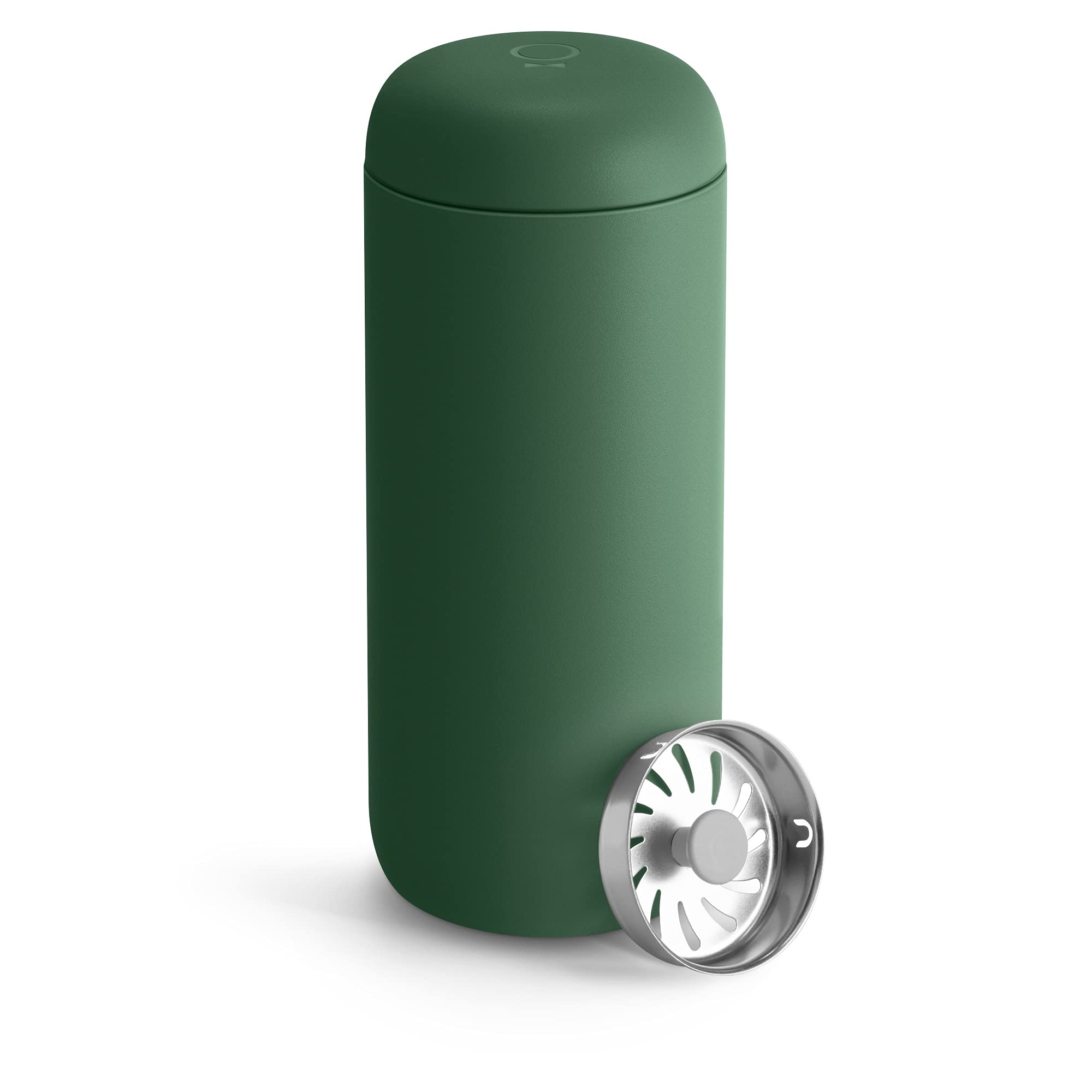
- The ceramic-coated interior is designed to avoid lingering oils, odors, or metallic notes.
- A removable splash guard helps keep liquid steady when the lid is off.
- The mug is dishwasher safe for cleanup.
Best Gift For: A commuter who wants a reusable mug for coffee, tea, or water on the go.
PrepNaturals 5-Pack 34 oz Glass Meal Prep Containers
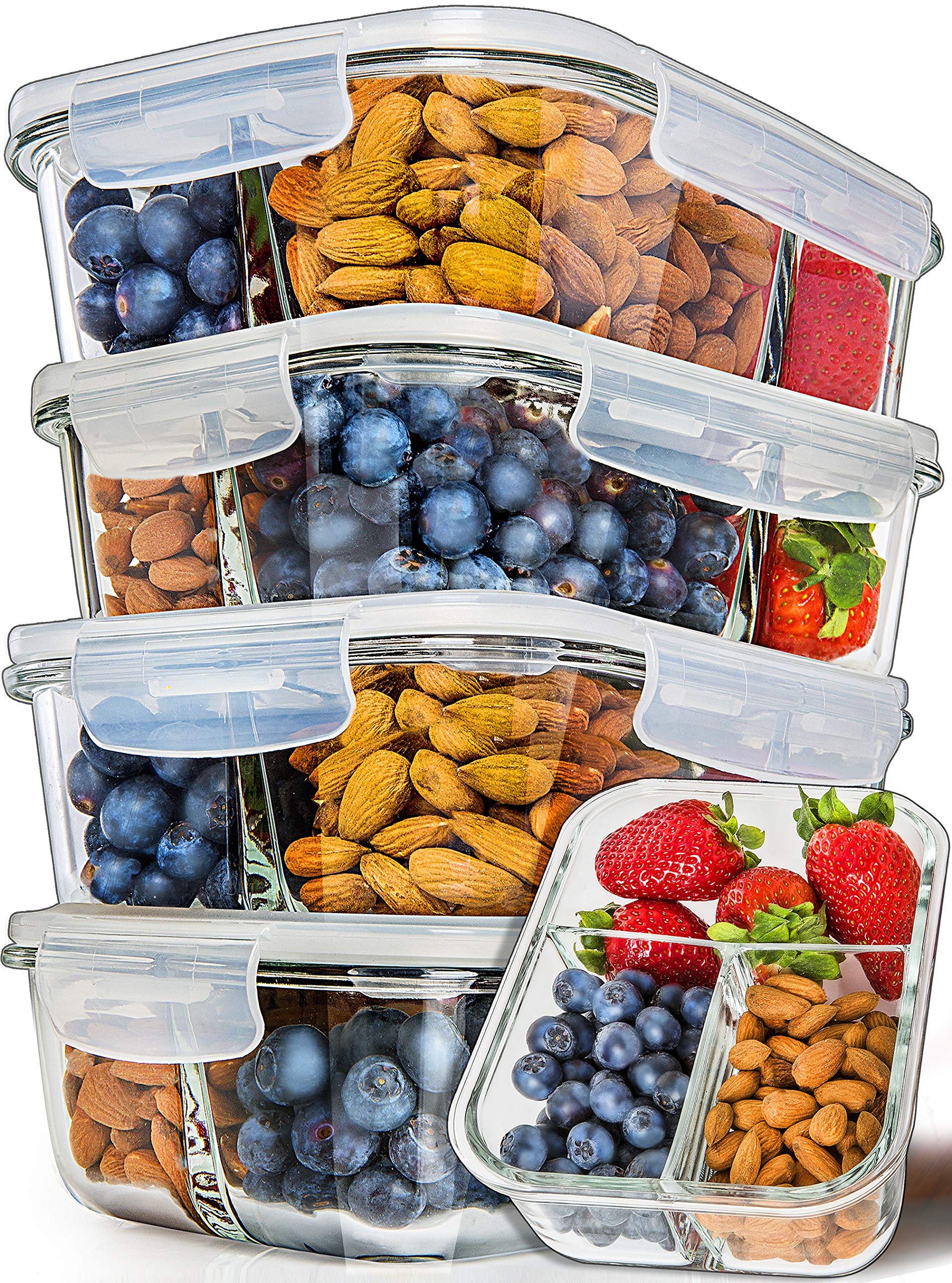
- The containers are made from borosilicate glass.
- They are microwave, oven, freezer, and dishwasher safe.
- Airtight, leak-resistant lids help keep food fresh.
Best Gift For: Someone who brings home-cooked meals to work, the gym, or on trips.
KingCamp Low Beach Chairs, 2-Pack
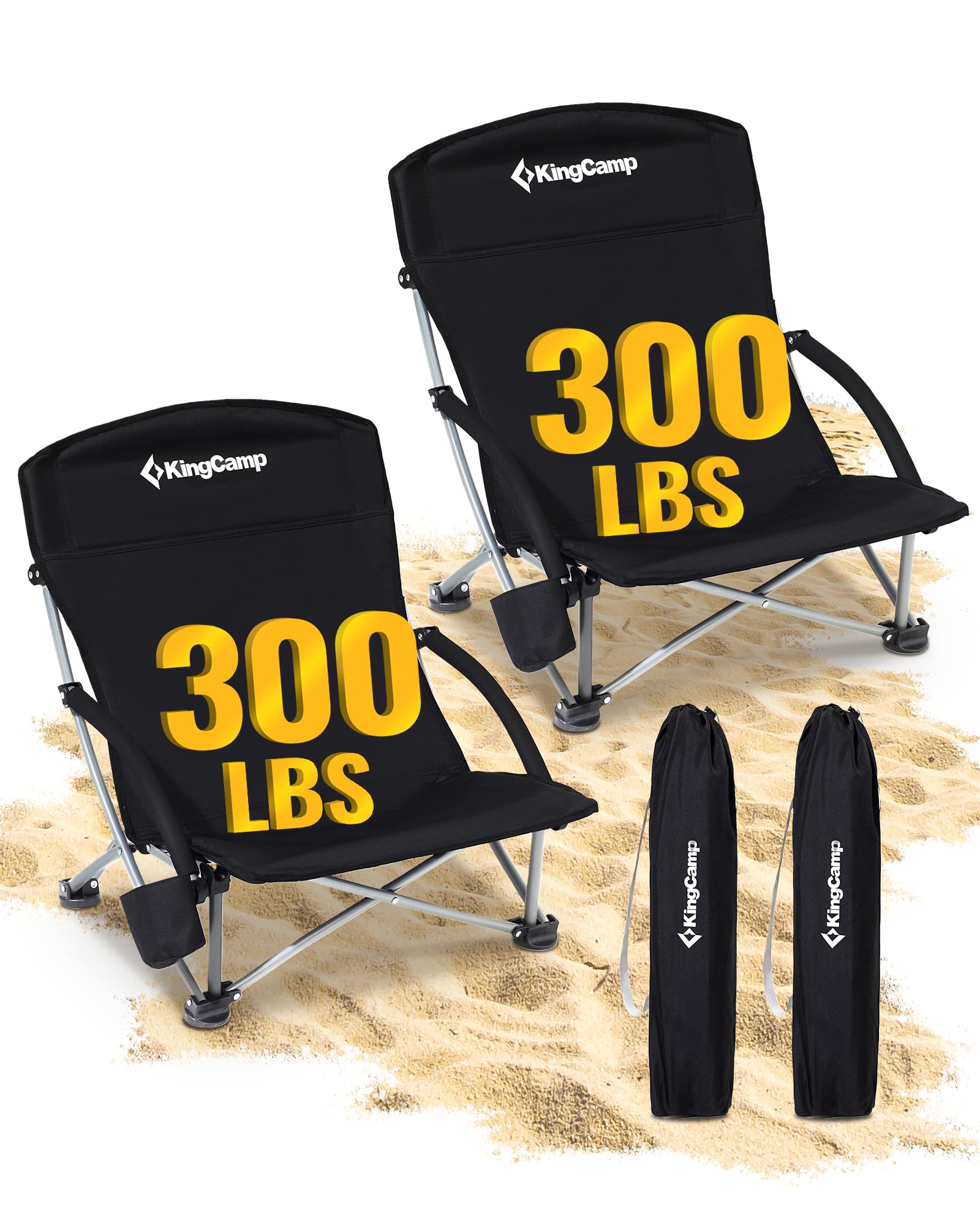
- The two folding chairs include a carry bag.
- An ergonomic sling design is shaped to follow the body's curves.
- The mesh back allows air to flow freely.
Best Gift For: Two friends who like relaxed beach, camping, picnic, or lawn outings.
Veradek Demi Series Round Planter
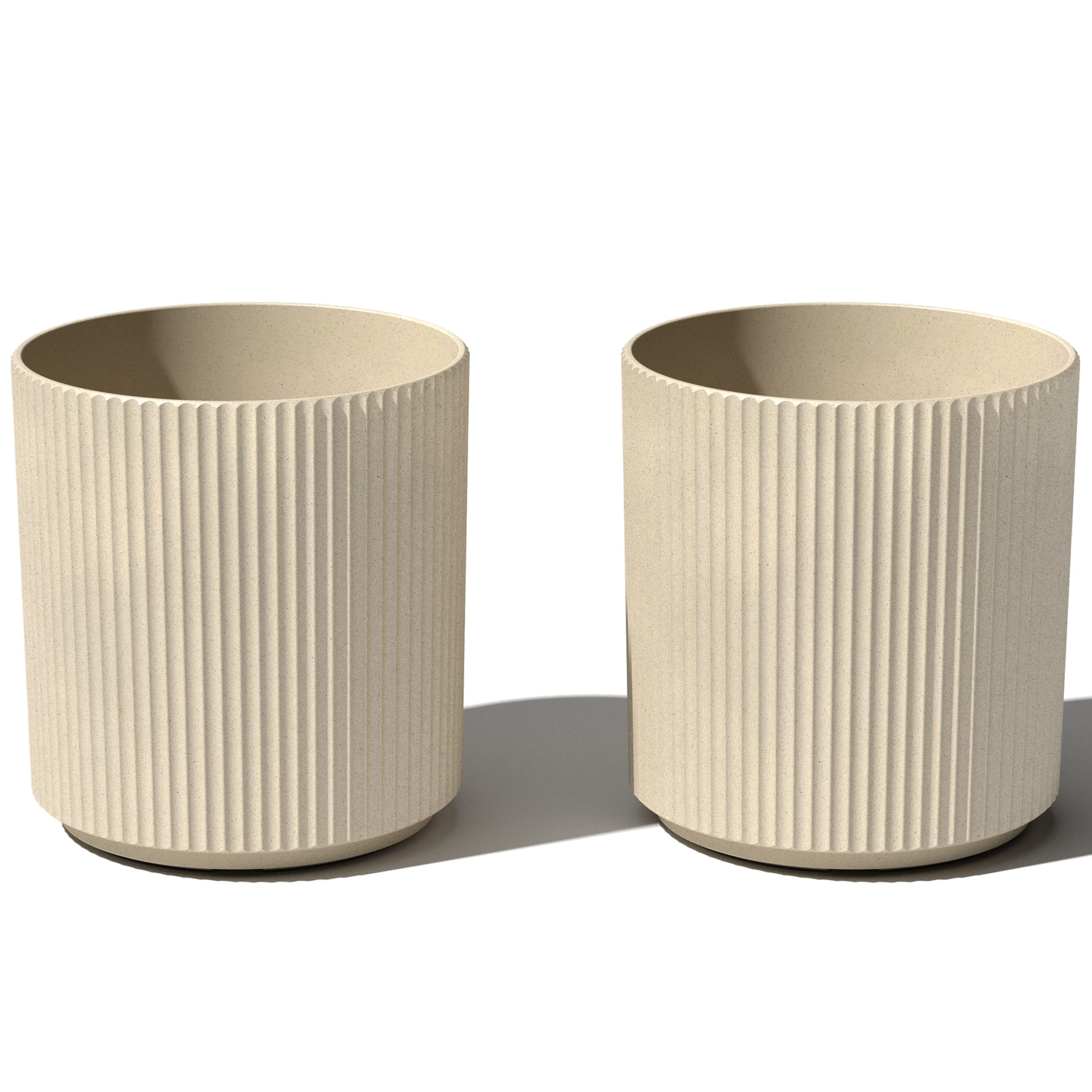
- The planter is made from a plastic-stone composite material.
- Pre-drilled drainage holes help excess water escape.
- Its modern appearance suits indoor or outdoor spaces.
Best Gift For: A plant lover styling a porch, patio, backyard, or living room.
Pocket Hose 50 FT Copper Bullet Hose
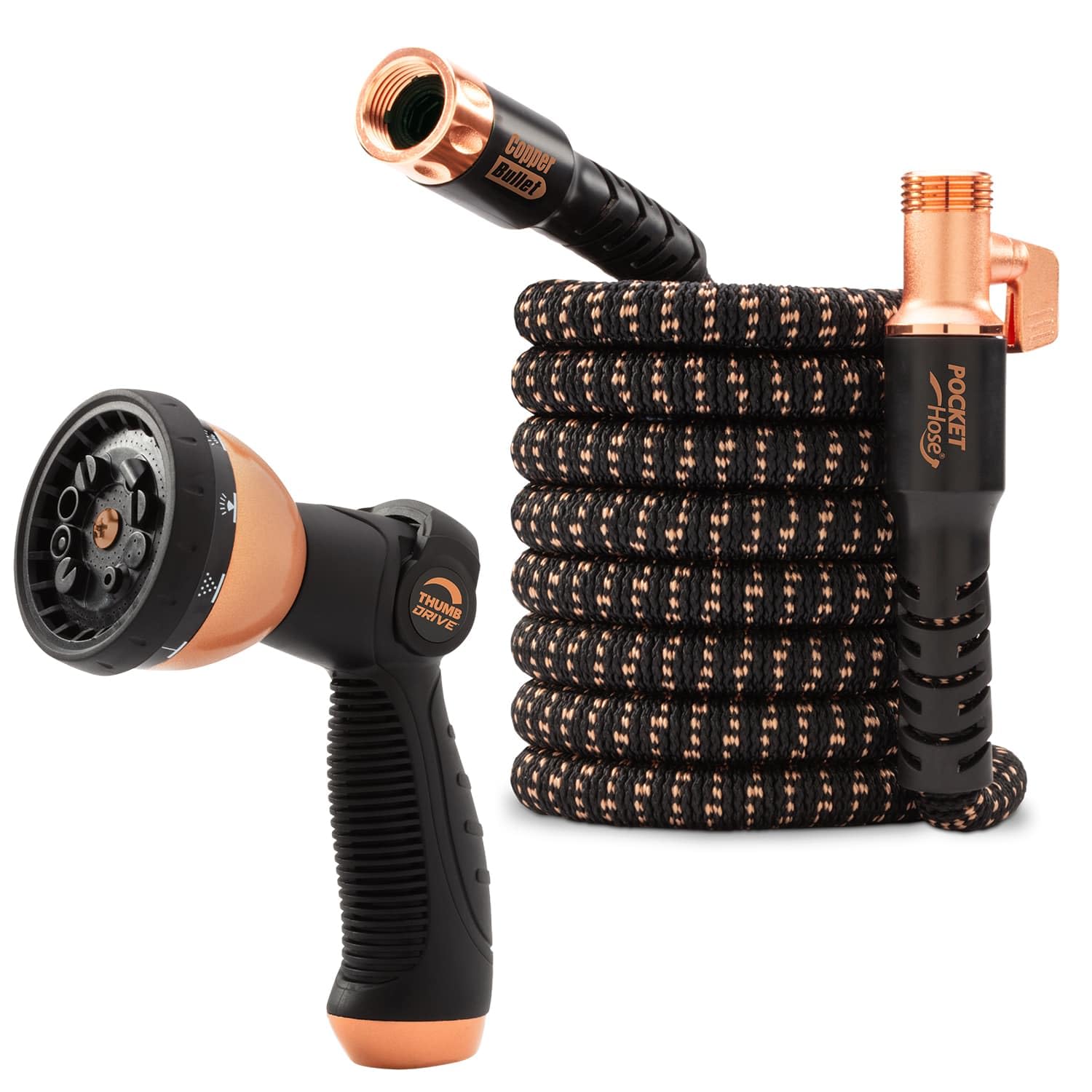
- The hose expands under water pressure.
- It comes with a 10-pattern thumb spray nozzle.
- The title identifies it as a lead-free hose.
Best Gift For: A gardener who would appreciate an expandable hose for outdoor watering.
VEVOR Retractable Garden Hose Reel, 5/8 Inch x 100 ft
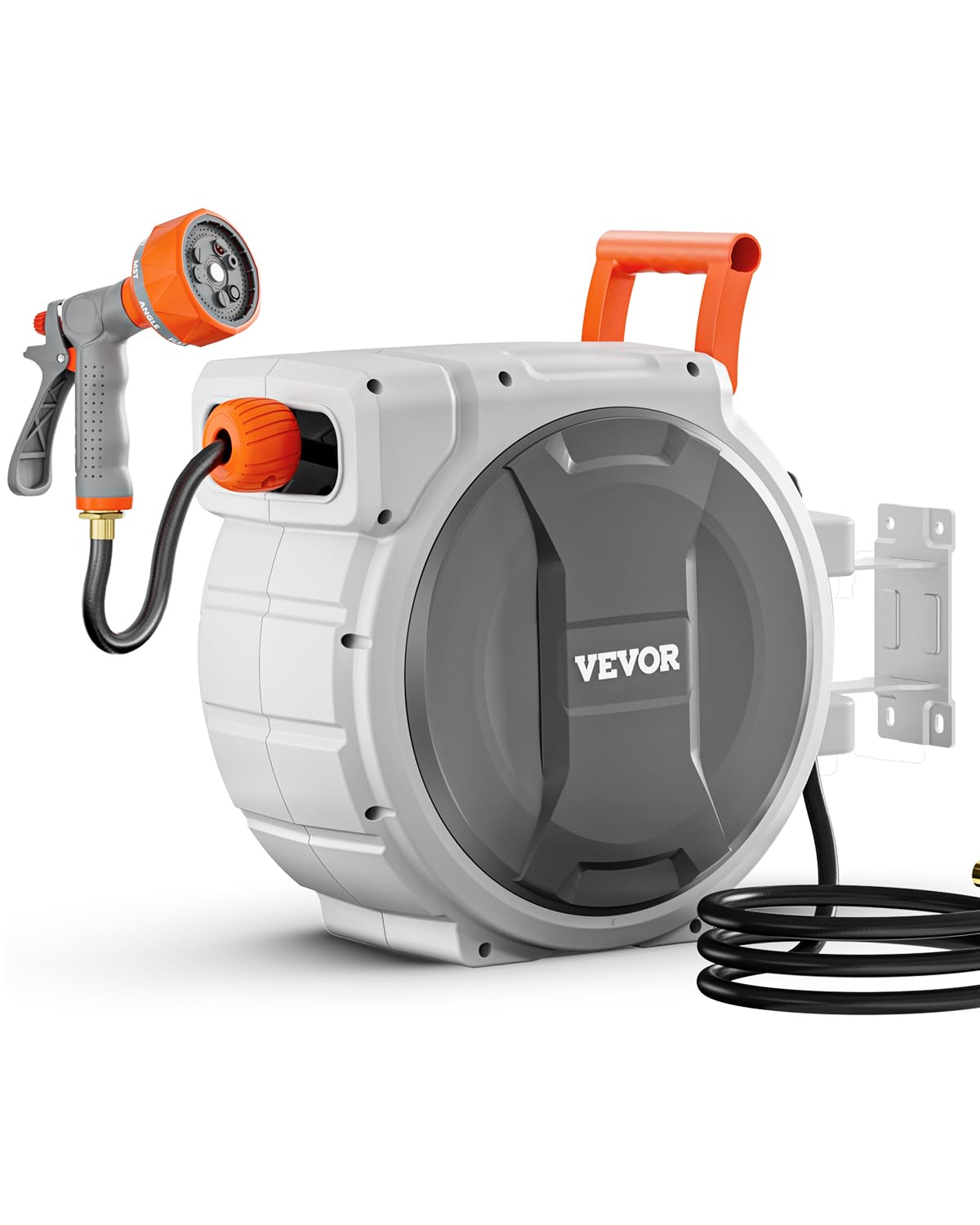
- The swivel bracket rotates 180 degrees.
- A locking system lets the hose stop at a chosen length.
- The nozzle offers nine spray settings.
Best Gift For: A gardener who wants a wall-mounted reel to keep an outdoor hose organized.
1. Match birthday gifts for environmentalists to their daily habits
Start with the recipient’s routine. Someone who cooks most nights may appreciate a convenient way to collect scraps, while a gardener with a yard may enjoy equipment that supports a compost pile.
For an apartment dweller, an indoor growing project or countertop setup can make better use of limited space.
For birthday gifts for environmentalists, think about what they already do and what would make that habit easier. A regular birdwatcher may use an outdoor observation tool, while someone carrying lunch to work may value reusable containers.
A useful gift joins an existing routine instead of demanding a new one.
Consider where the gift will live before choosing it. Measure the intended counter, patio, balcony, or storage area, then check current dimensions and compatibility.
If the recipient shares space or has limited storage, a compact or foldable choice may be more welcome than a larger project.
2. Balance budget and commitment
Set a comfortable budget, then consider the ongoing effort that comes with a gift. Some choices are ready to use with supplies the recipient already has; others may call for seeds, growing medium, nutrients, or a suitable place outdoors.
The right fit depends on both the initial gift and the recipient’s appetite for upkeep.
A practical way to compare options is to group them by the experience they enable: small daily swaps, seasonal gardening, or a larger backyard project. Check actual prices before buying, since they can change.
Also account for accessories or supplies needed to make the gift useful, and be clear when those are separate purchases.
Avoid treating a higher cost as proof that a gift is more thoughtful. A well-chosen everyday item can be meaningful when it fits the person’s habits, while an ambitious garden setup may be a poor match for someone with no room or time to tend it.
Choose the scale that feels manageable.
3. Personalize birthday gifts for environmentalists
Personal details can turn a practical present into a thoughtful one. Match a gift to a favorite plant, a shared birdwatching route, or the recipient’s habit of bringing lunch from home.
A handwritten note can explain why that particular interest brought the gift to mind without making grand claims about its impact.
For birthday gifts for environmentalists, presentation can echo the recipient’s values through reusable wrapping, a cloth bag, or a simple paper wrap they can recycle where accepted. Add a small card with a personal message or a seed packet only if you know it suits their space and preferences.
Pairing a gift with time together can make it feel more personal: offer to help assemble a planter, share a walk, or cook a meal to pack into reusable containers. Keep the offer specific and easy to accept, and let the recipient decide how they want to use the gift.
4. Think through space and upkeep
Outdoor gifts depend on the recipient’s setting. A balcony, shared garden, and large yard each present different constraints, so ask yourself whether the person has room and permission to use the item.
Check dimensions and any assembly needs, and consider how it will be stored outside the main season.
Growing gifts also vary in how much attention they invite. A simple seed-starting project can be enjoyable for someone who likes tending plants, while app-controlled equipment may suit a person who enjoys adjusting a setup.
Consider their interest and routine; avoid assuming that every environmentally minded person wants another ongoing task.
For reusable drinkware and food storage, think about how the recipient commutes, packs meals, or cleans up. Check fit with their usual bag, cup holder, or kitchen routine, and verify current product details.
If you are uncertain, choose something with a clear place in their day rather than a specialized accessory.
5. Make the timing work
For a last-minute gift, prioritize items that match a known interest and can be used without a complicated setup. Check current delivery estimates and availability before ordering, and keep a simple backup plan such as a card explaining a planned outing or a gift you can pick up locally.
If the present needs assembly, setup, or additional supplies, check what the recipient already owns and what else may be needed. Confirm compatibility and dimensions using current product information.
This small bit of planning helps prevent an appealing idea from arriving as an incomplete project.
When timing is tight, presentation can still feel considered. Wrap the gift simply, include a note about the habit or interest that inspired it, and offer a specific way to enjoy it together.
A thoughtful message gives context even when the item itself is straightforward.