A thoughtful starter gift can make a lower-waste routine easier to try at home, whether the recipient is curious about composting, growing food, or replacing disposable items.
These nine picks cover a range of household and garden interests, from small everyday swaps to hands-on projects.
9 Gift Ideas for Zero Waste Beginners
EPICA 1.3-Gallon Countertop Compost Bin
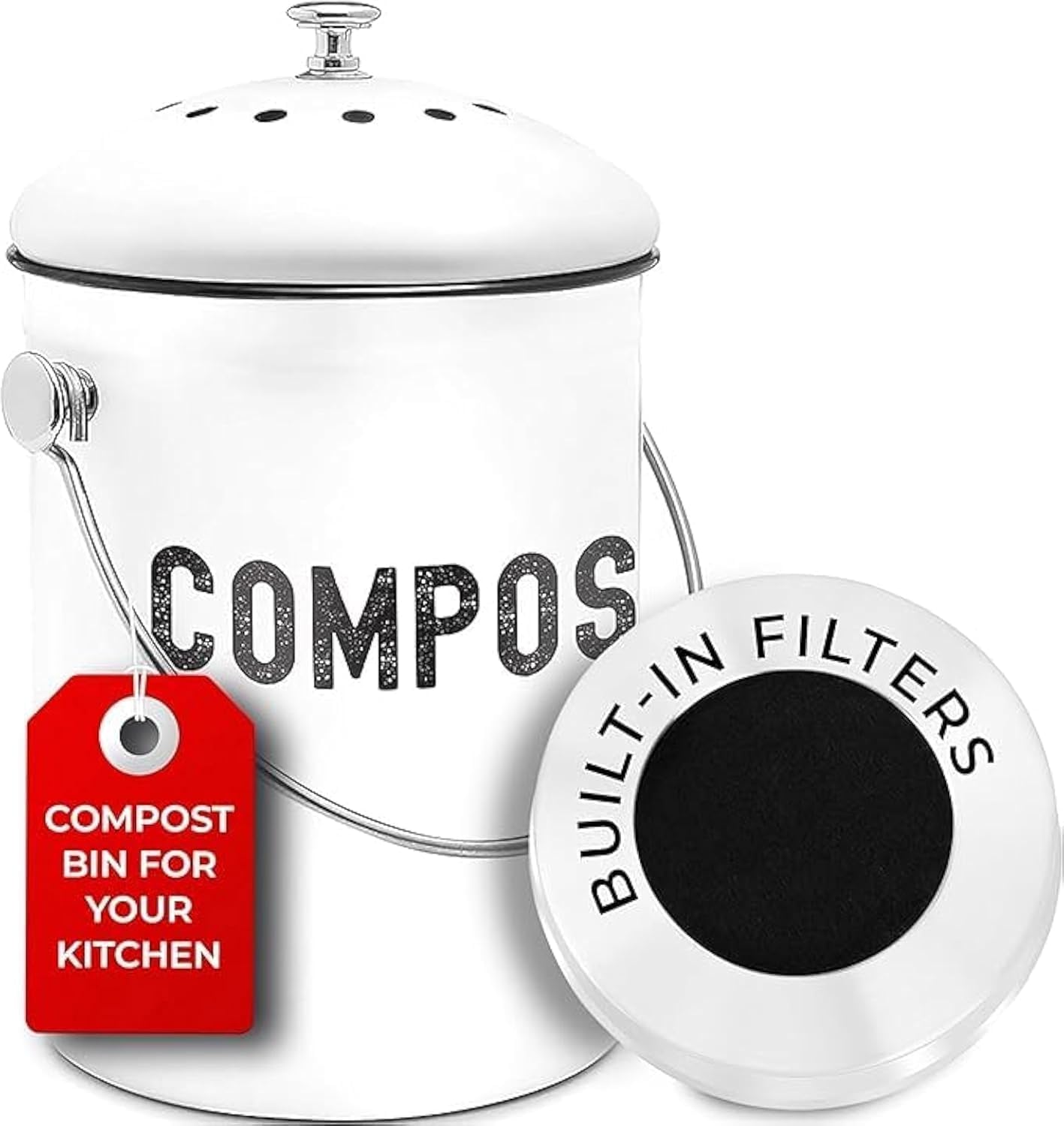
- An airtight lid and replaceable activated-charcoal filter are designed to help manage kitchen odors.
- The one-piece molded bin resists rust and leaks.
- Its 1.3-gallon capacity is sized for several days of organic kitchen waste.
Best Gift For: A new home composter who wants to collect food scraps near the kitchen counter.

FCMP Outdoor HOTFROG 37-Gallon Tumbling Composter
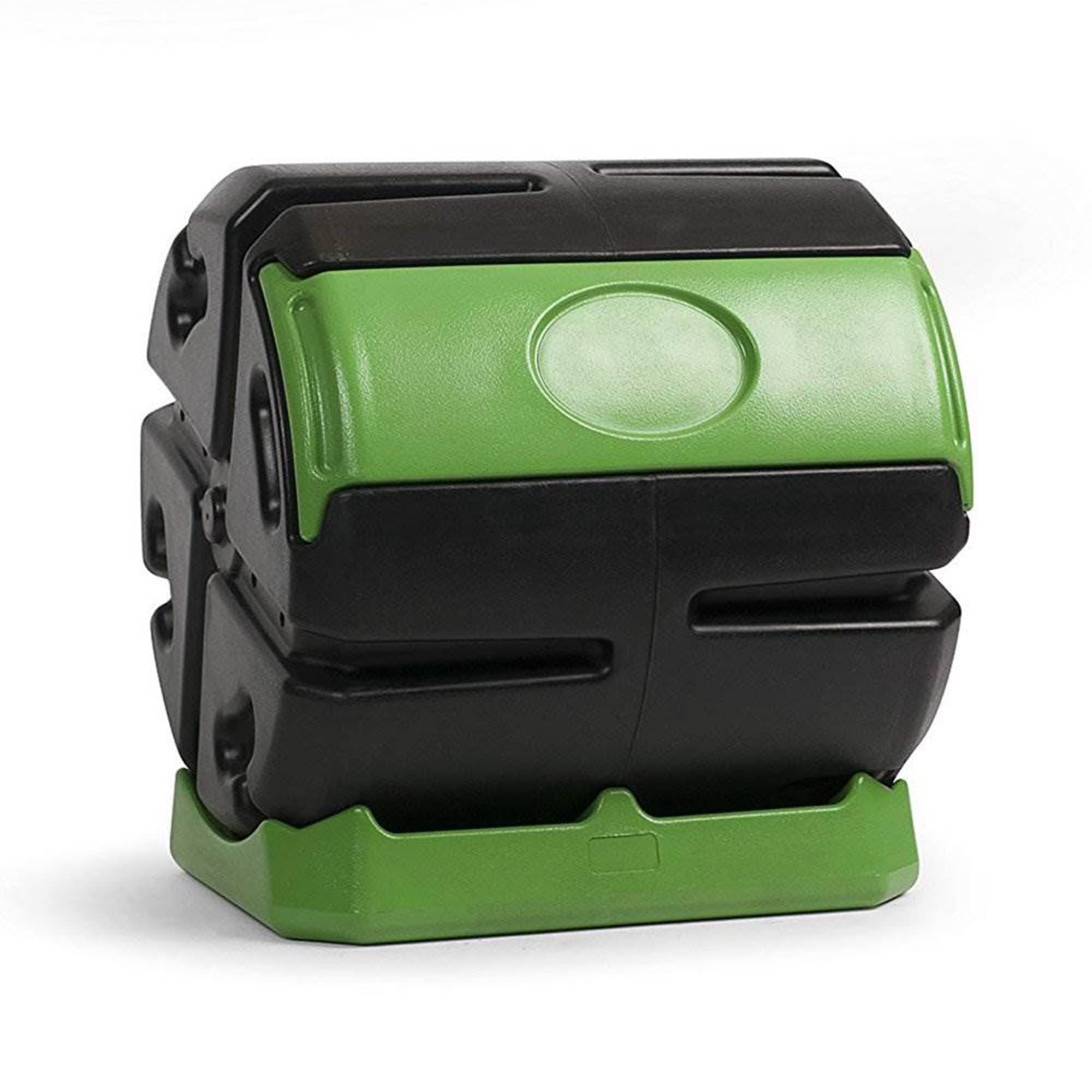
- The tumbling design lets the user mix compost by turning the bin.
- Its rolling design helps move the composter around the yard.
- The large opening and removable door make adding scraps and removing compost easier.
Best Gift For: A beginner with outdoor space who wants a rotating bin for kitchen and yard waste.
Prep Naturals 25 oz Meal Prep Containers, 50-Pack
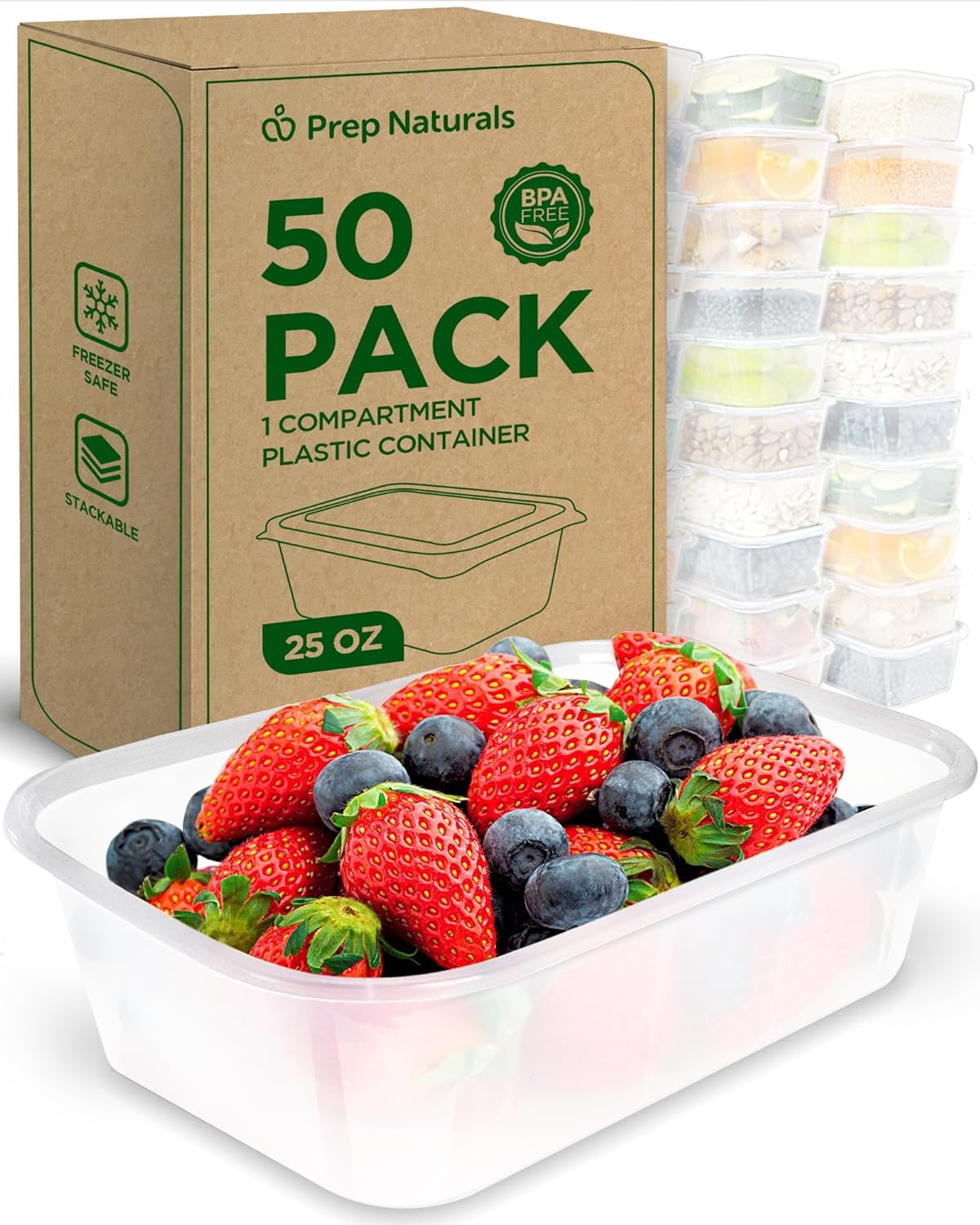
- The set includes 50 containers with lids.
- The containers are microwave and freezer safe.
- They are dishwasher safe for cleanup.
Best Gift For: Someone who packs meals or snacks and wants reusable containers for everyday storage.
Fellow Carter Move 16 oz Travel Mug
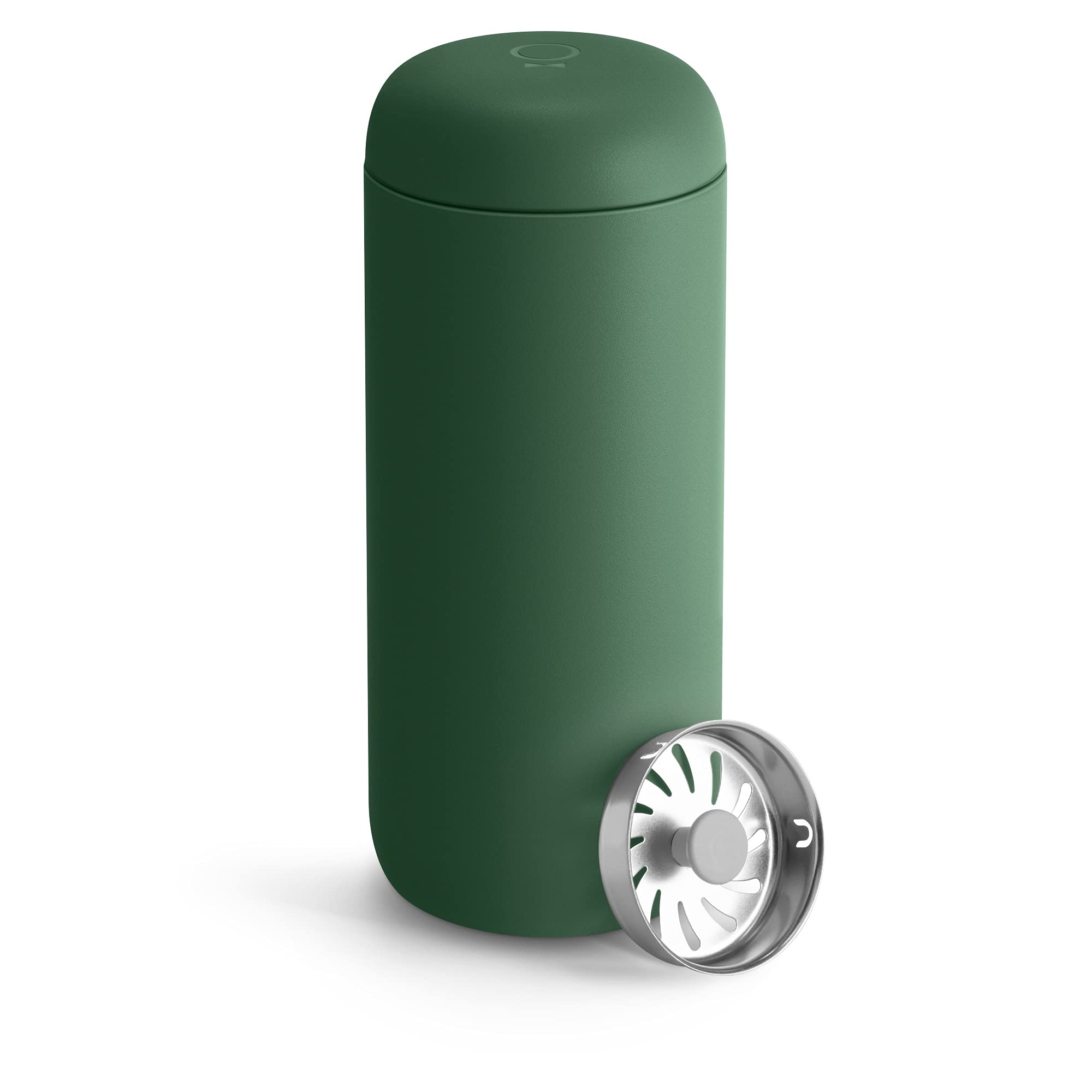
- A ceramic-coated interior is designed to avoid lingering oils, odors, or metallic notes.
- The removable splash guard helps keep liquid steady when the lid is off.
- The mug is dishwasher safe.
Best Gift For: A coffee or tea drinker who wants a reusable mug for travel and daily use.
Hydracy 2L Water Bottle
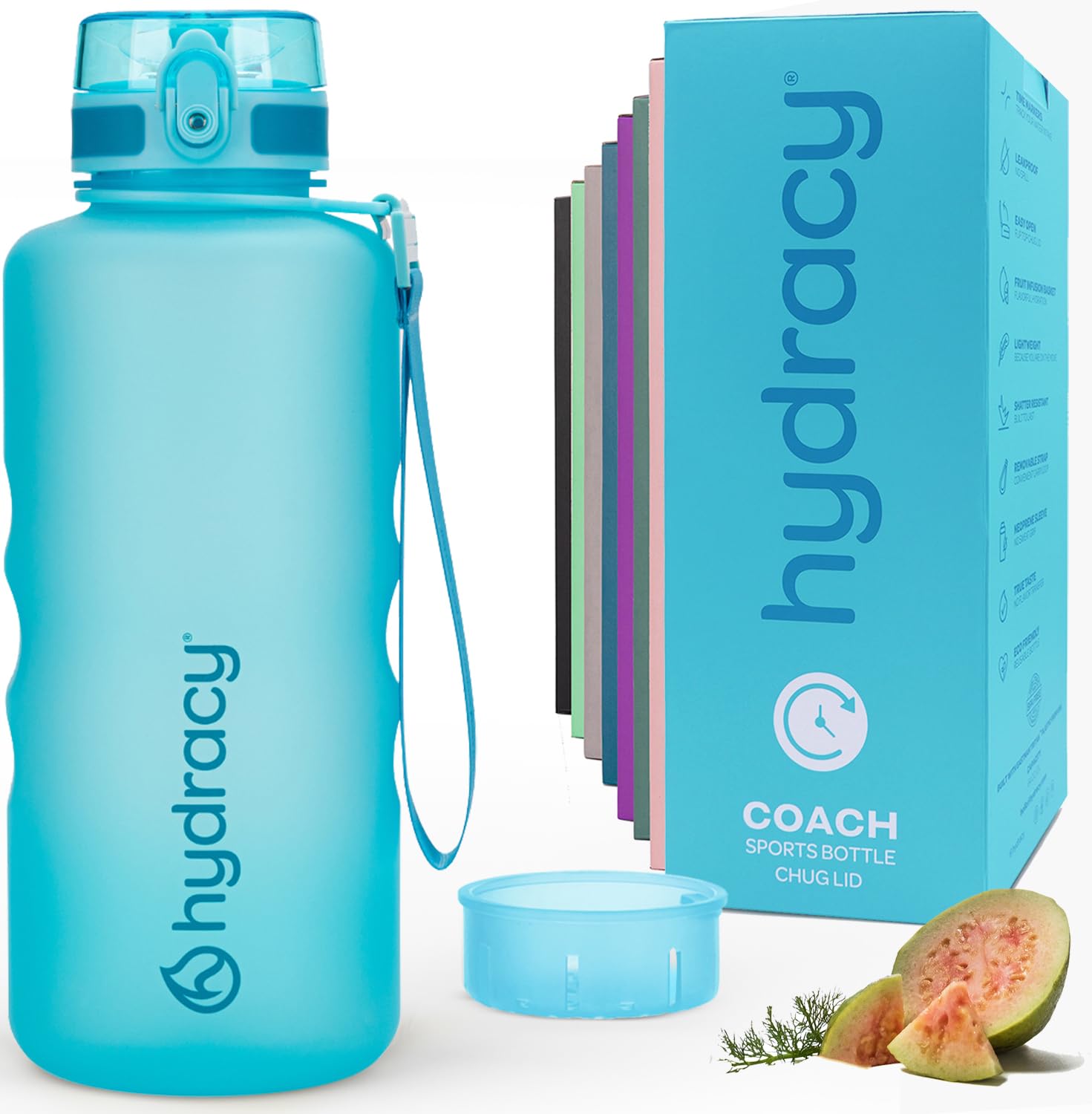
- A timeline on the bottle offers reminders for when to take a sip.
- The bottle is made from BPA-free Tritan plastic.
- It includes a detachable carry strap and a flip-top lid.
Best Gift For: A fitness or outdoor enthusiast who wants a reusable bottle for daily hydration.
YARRAMATE 4-Piece Glass Olive Oil Sprayer Set
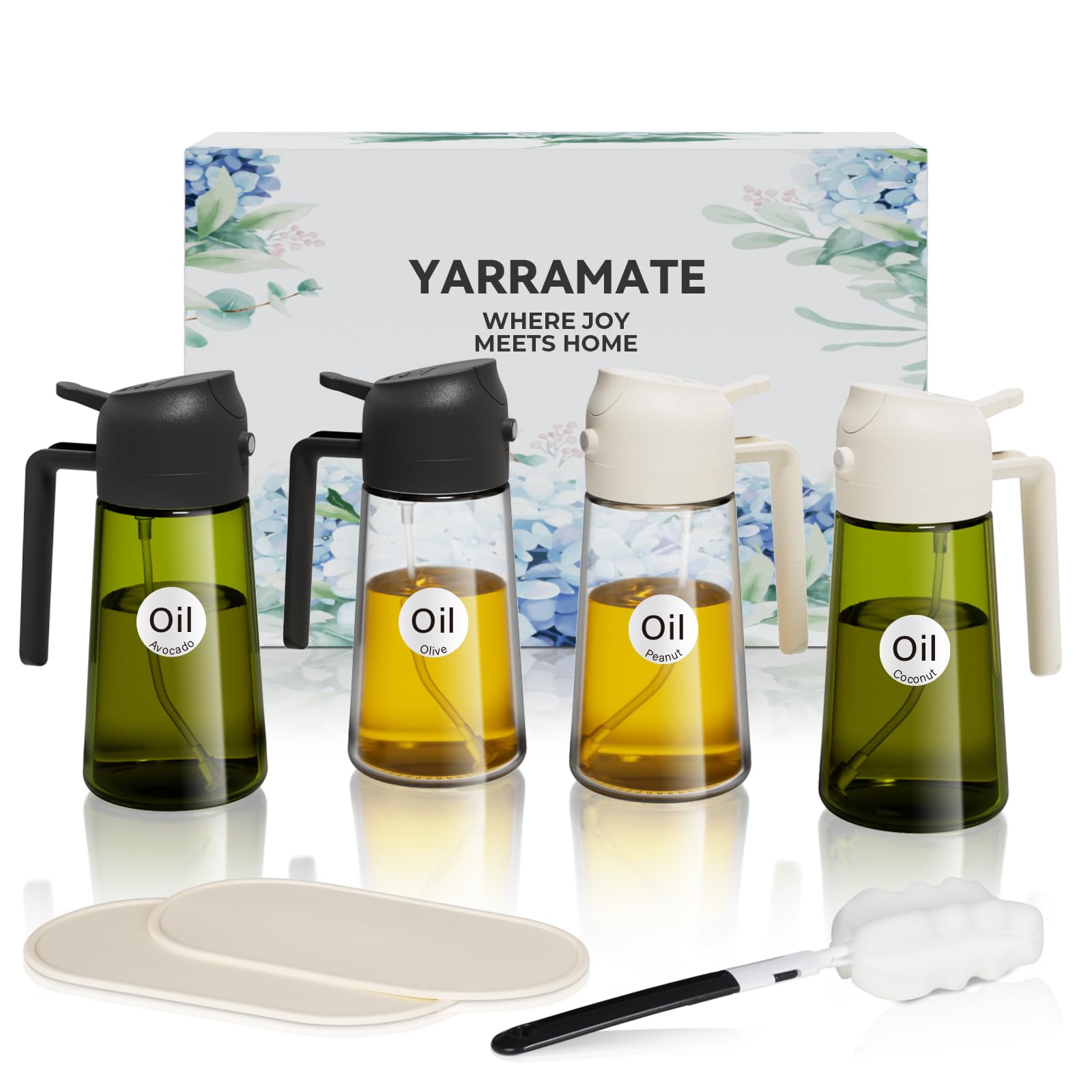
- The set includes clear and dark glass sprayers, stickers, bottle mats, and a cleaning brush.
- The bottles can both spray and pour oil.
- The dispensers are refillable and reusable.
Best Gift For: A home cook who would enjoy refillable oil bottles for everyday food preparation.
LETPOT LPH-SE Smart Hydroponic Herb Garden
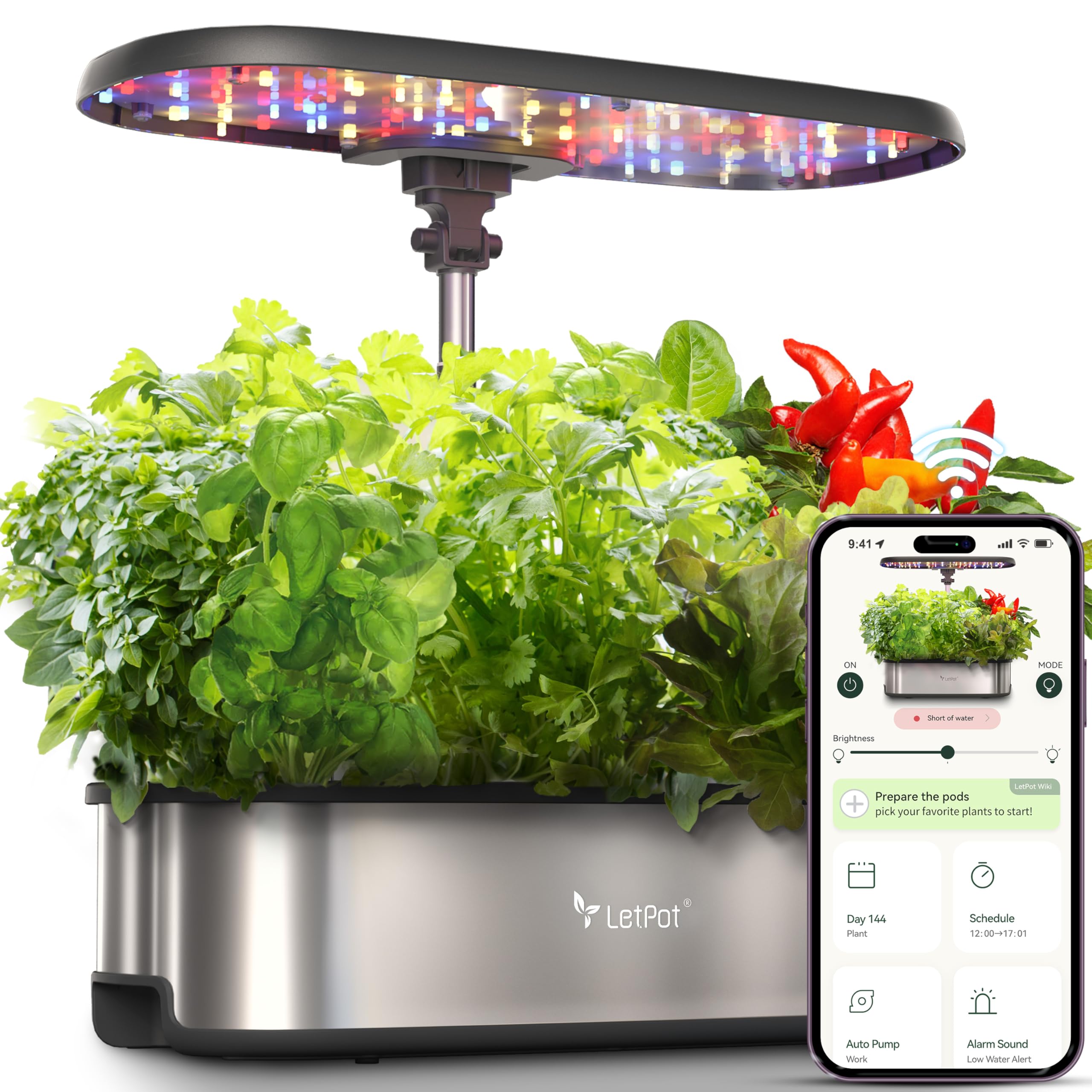
- The system includes 12 planting cups, along with growing supplies.
- The app can adjust the LED lighting schedule.
- The water tank allows for up to 3 weeks of growth without watering.
Best Gift For: A beginner interested in growing herbs indoors with app and Wi-Fi controls.
Mr. Pen Seed Starter Tray Kit, 10-Pack
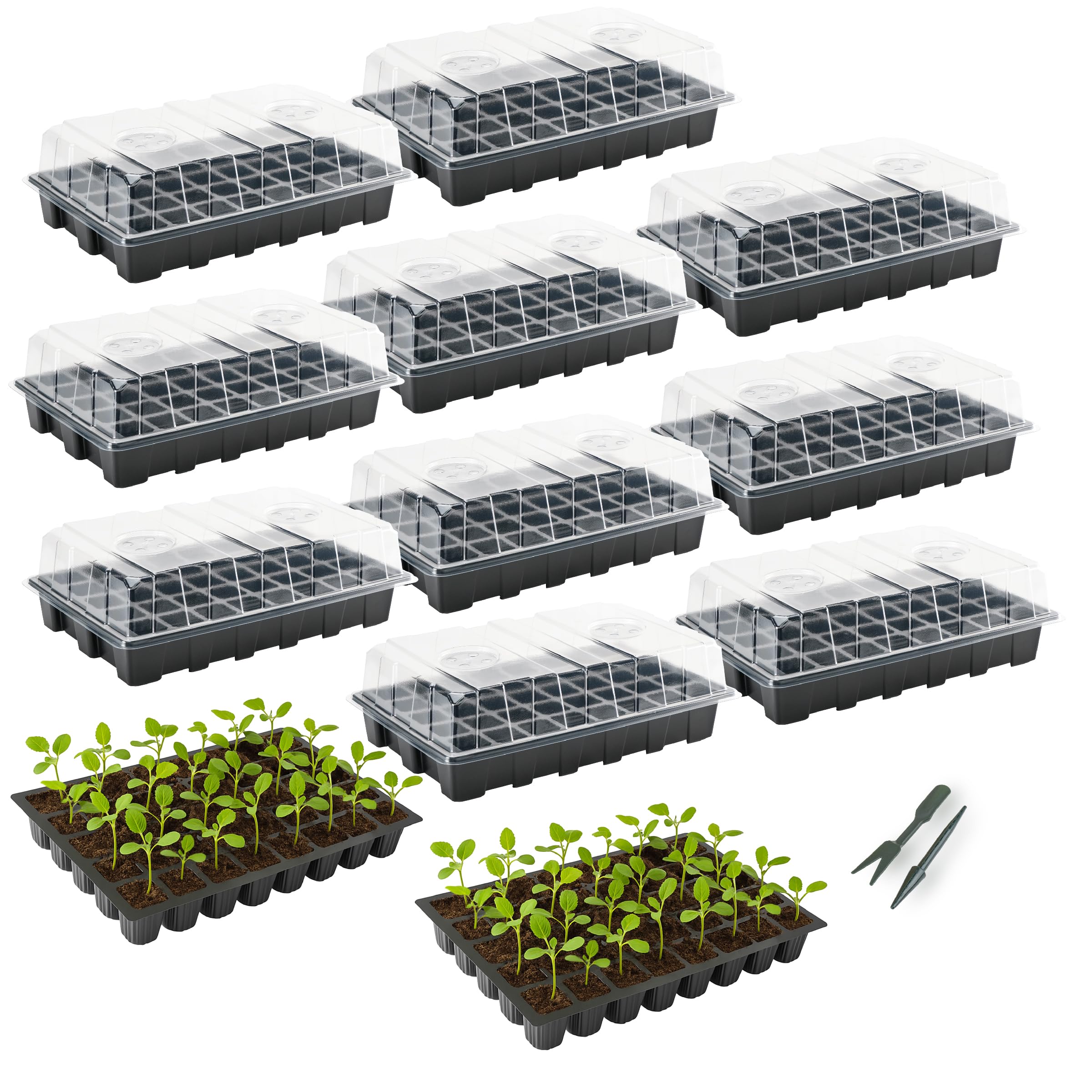
- The kit contains 10 trays with 40 cells each, bases, and vented domes.
- Clear domes make it easier to monitor seedlings as they grow.
- A dibber and widger are included for sowing and transplanting.
Best Gift For: A new gardener who wants to start seedlings at home, in a classroom, or in a greenhouse.
EnHomee 63-Inch Tall Plant Stand
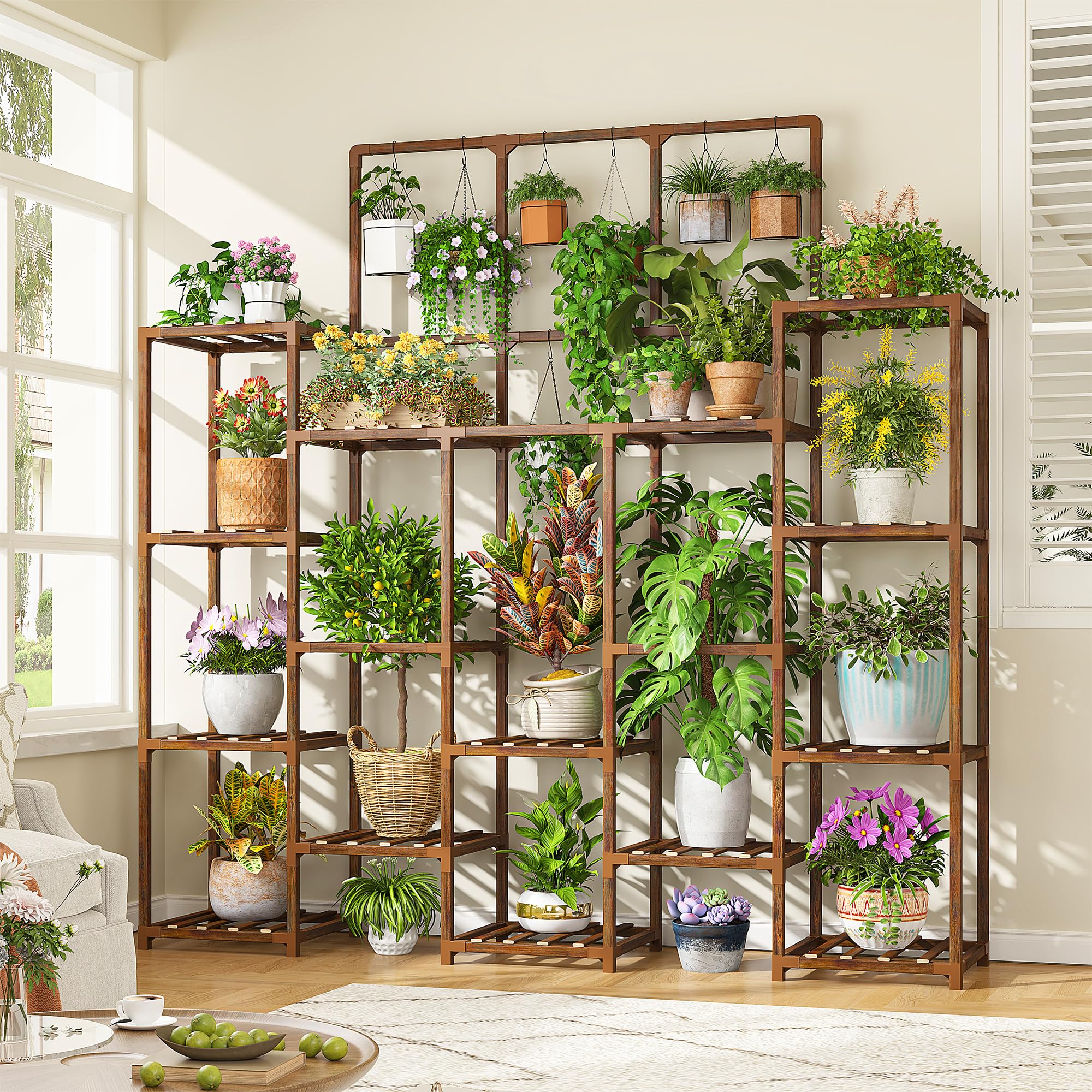
- The stand has 14 tiers and accommodates 18–23 planters.
- Built-in hooks can hold trailing vines and hanging planters.
- The stand comes with anti-tipping hardware.
Best Gift For: A plant lover looking to display a collection of indoor or outdoor planters.
Choosing birthday gifts for zero waste beginners
Birthday gifts for zero waste beginners work best when they match a habit the recipient is already curious about. If they save vegetable scraps, a countertop collection bin can make the next step feel approachable; someone with yard space may be ready for a larger composting project.
For a person who enjoys cooking, reusable storage or refillable oil bottles can support routines they already have. A travel mug or water bottle may suit someone who is often out of the house, while seed-starting and indoor growing gifts fit a recipient eager to try growing food or herbs.
Think about the home before choosing a project gift. A compact kitchen item needs a convenient place to live, while a garden setup calls for outdoor or indoor space that suits the recipient.
When in doubt, choose a gift that can fit into an existing routine without demanding a major rearrangement.
Match the gift to the recipient’s space and habits
Composting gifts depend on where scraps will go. A countertop bin can support collecting food scraps before they reach an outdoor pile or another composting setup, so consider whether the recipient has a place to use or transfer the material.
An outdoor tumbler makes more sense for someone with suitable yard space.
Growing gifts suit different levels of commitment. Seed trays support starting plants for later transplanting, while an indoor garden offers a contained way to begin growing herbs.
A plant stand is more useful for someone who already has planters to display and room to arrange them.
For everyday swaps, think about the recipient’s schedule. A reusable mug may accompany a regular coffee stop; meal prep containers may see more use in a household that packs lunches or stores leftovers.
The most thoughtful option is one that answers a real need rather than adding another unused object.
Budget and personalization for birthday gifts for zero waste beginners
Birthday gifts for zero waste beginners span modest everyday items and larger home projects, so decide whether you want a small nudge or a centerpiece gift. If you are keeping spending light, a reusable item or seed-starting kit can still feel purposeful; a larger garden or composting setup may suit a shared gift.
Personalization can make a practical item feel chosen. Pair a kitchen gift with a favorite recipe, or add seed packets selected for the recipient’s cooking interests.
For a growing project, a handwritten note with a few ideas for where to begin gives the gift context without implying the recipient needs a full new routine.
Consider a set of smaller gifts only when the pieces naturally work together. A reusable container set can pair with a lunch tote the recipient already owns, while gardening supplies might accompany seeds they have requested.
Keep add-ons useful and avoid buying extras just to make a package look larger.
Thoughtful presentation and practical details
Presentation can reflect the spirit of a useful, low-waste gift. Reuse a clean box or wrap the item in a tea towel, and add a short card explaining why you thought of that person.
If the gift has several components, arrange them so the recipient can see what is included.
Before buying, check current product details, compatibility, and dimensions against the recipient’s space and existing gear. This matters for containers, bottles, garden displays, and indoor growing equipment, since fit and intended use can shape whether a gift becomes part of a routine.
Keep the note warm and specific rather than making the present a lesson about waste. Mention a shared meal, a garden conversation, or their interest in trying something new.
The recipient should feel invited to enjoy the gift at their own pace.
Last-minute buying advice
For a late purchase, favor gifts whose use is clear and whose fit is easy to confirm. A reusable bottle, mug, or food storage set may be simpler to choose than equipment that needs a particular spot, a compatible accessory, or an established garden plan.
Check delivery estimates before ordering and leave room for delays, especially when the gift is for a fixed date. If timing is uncertain, a printed note describing the planned gift can mark the occasion while you confirm the item’s arrival details.
When a product requires a setup decision, ask discreetly about the recipient’s space or routine before purchasing. A quick check can prevent an awkward mismatch and keep a thoughtful gift practical.
If you cannot confirm those details, choose a flexible everyday item or give a card that lets them select what suits their home.